Why bathroom decor matters
Bathroom decor is more than aesthetics; it shapes mood, efficiency, and daily comfort. With the right choices, a bathroom can feel spa-like, functional, and durable. This guide blends proven design principles with practical tips to help you elevate your space while staying within budget and timeframe.
By focusing on proportion, lighting, color, and texture, you can transform even a small or dated bathroom into a polished room that supports everyday rituals. This article covers design principles, style options, color palettes, and sustainable choices to boost both EEAT and user experience.
Key design principles
Proportion and scale matter in a bathroom where fixtures occupy a high percentage of the room. Start by measuring vanity width, shower dimensions, and clearance. Match tile size to space; small rooms benefit from large-format tiles with minimal grout for a cleaner look.
Layered lighting matters: ambient ceiling light, task lighting around mirrors, and optional accent lighting to highlight textures. Use dimmers for flexibility.
Texture and color create depth; combine matte wall paint with glossy tile accents and natural stone to add interest while staying timeless.
Materials and finishes
Choose durable, water-resistant materials such as porcelain, ceramic, or quartz that resist humidity and cleaning chemicals. Matte finishes reduce finger smudges, while chrome, brushed nickel, or matte black fixtures create distinctive personalities.
Storage and organization
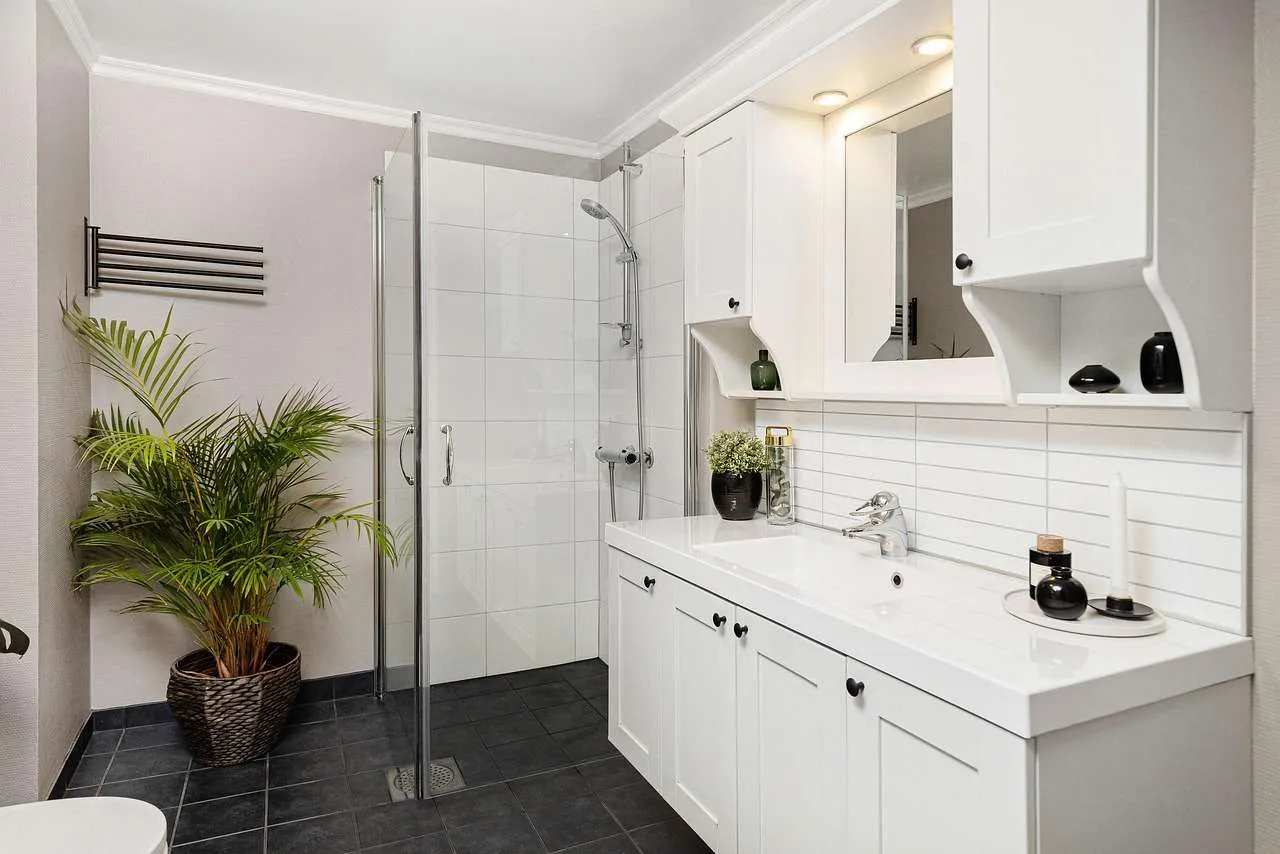
Built-in niches, floating vanities, and recessed medicine cabinets keep surfaces clear. Use vertical storage for towels and baskets, and integrate pull-out organizers inside drawers.
Popular bathroom decor styles
Styles guide how color, tile patterns, and fixtures come together. The following table contrasts four common directions to help you pick a path that aligns with your home and lifestyle.
| Style | Key Elements | Best For | Pros | Cons |
|---|---|---|---|---|
| Modern | Clean lines, large tiles, monochrome palette | Open spaces, contemporary homes | Low maintenance, timeless | Can feel clinical if not softened |
| Classic | Warm woods, marble or subway tiles, balanced fixtures | Traditional homes, resale appeal | Warmth, enduring style | Higher cost, more upkeep |
| Minimalist | Limited palette, hidden storage, clutter-free | Small spaces, urban apartments | Uncluttered look, easy cleaning | Can feel cold without texture |
| Rustic/Coastal | Natural textures, stone, weathered wood | Relaxed, warm vibes | Cozy ambiance, durable surfaces | Wood elements require humidity management |
Note on credibility and safety: For any plumbing, electrical or structural changes, hire licensed professionals to ensure code compliance and safety.
Color palettes and materials
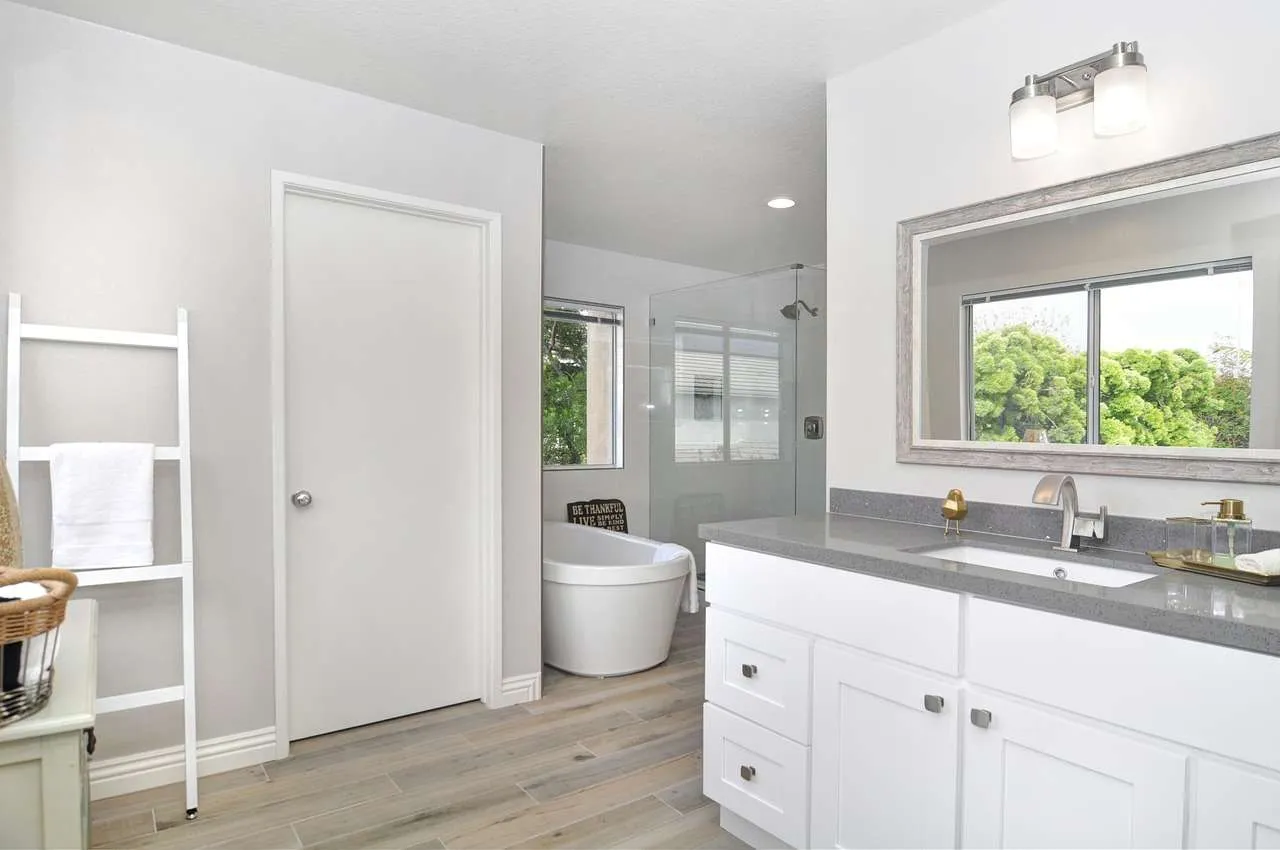
For small bathrooms, light neutrals reflect light and make the space feel larger. Pair soft whites or pale grays with airy tiles and chrome fixtures. For larger baths, deepen the mood with navy, charcoal, or warm wood tones, using color as an accent on towels, art, or a single tile band.
Material choices matter: porcelain or ceramic wall tiles, natural or engineered stone countertops, and glass shower enclosures resist humidity and stains. Combine textures—matte paint, glossy tile, and a wood vanity—to create depth without clutter.
Small bathroom decor ideas
- Install a wall-mounted vanity to free floor space and create the illusion of a larger room.
- Use a large mirror or mirrored panels to multiply light and space.
- Choose frameless glass for showers to maintain openness and easy cleaning.
- Incorporate recessed niches for toiletries and built-in towel storage.
- Select light colors and subtle contrast to keep the room feeling airy.
- Opt for a compact heated towel rail for comfort and efficiency.
Budgeting and sustainability
Set a clear budget before shopping and prioritize high-impact purchases such as lighting, vanity, and faucets with water-saving features. Look for durable finishes with long warranties and low maintenance costs. If possible, refresh rather than replace—new lighting, updated hardware, and a fresh coat of paint can dramatically transform a space.
Consider sustainable choices: low-flow toilets and showerheads, recycled-content tiles, and durable materials that resist wear. Always compare product certifications for water and energy efficiency when selecting fixtures.
Maintenance and longevity
Keep a regular cleaning routine with gentle cleaners that protect finishes. Reseal grout and caulk joints on a schedule to prevent moisture damage. Inspect seals around vanities and showers every year and address any signs of mold or water intrusion promptly.
Maintaining a bathroom with proper ventilation reduces humidity-related issues and preserves the decor longer. A well-thought-out plan for accessibility, such as lever handles and non-slip floors, also extends usability for guests and family over time.
Conclusion, wrap-up and key takeaways
Conclusion, a well-executed bathroom decor blends function and beauty. By applying timeless design principles, selecting the right color palettes and textures, and planning for storage and maintenance, you create a space that remains stylish, practical, and resilient over time.